
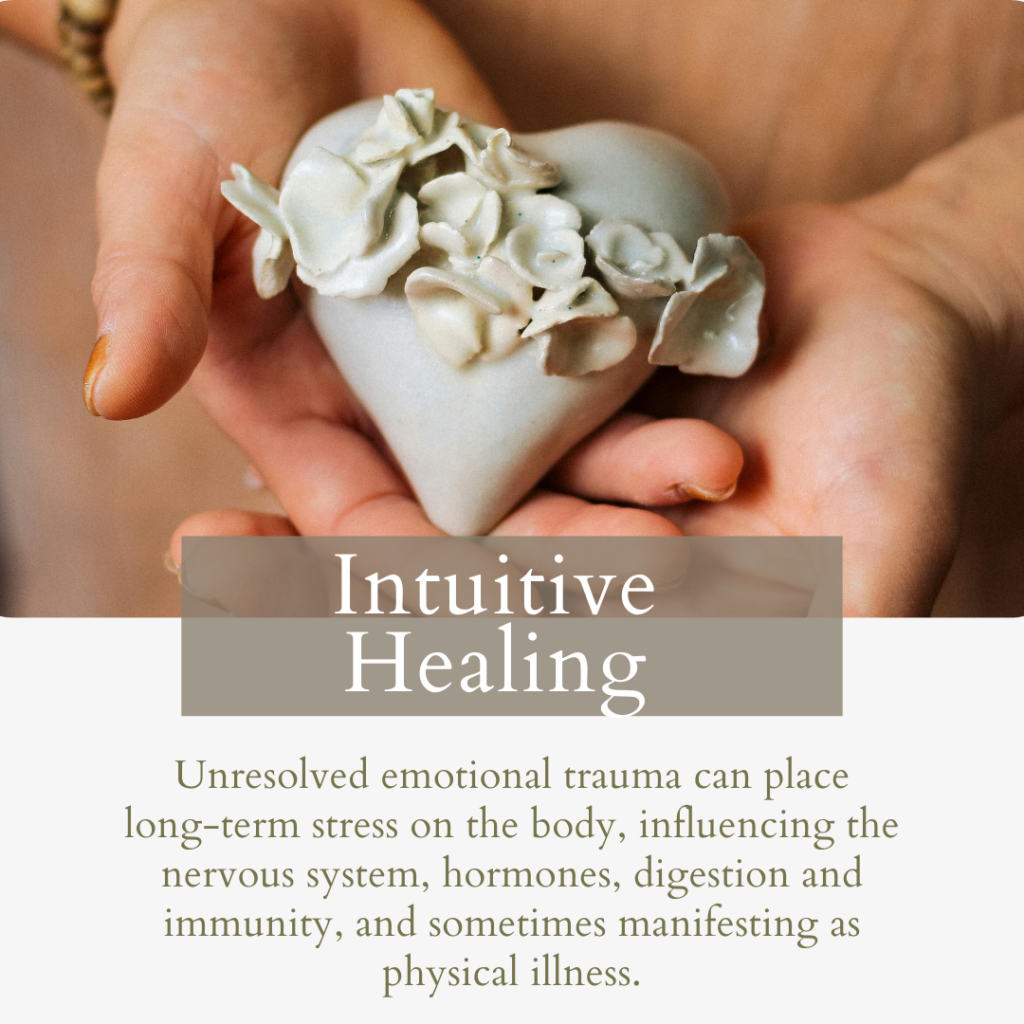
When we think about trauma, we often think about emotional pain or difficult life experiences.
What many people do not realise is that these experiences can also have a profound impact on the physical body.
The body and mind are deeply connected. When we go through emotional stress, grief, fear or trauma, the body does not simply forget about it once the event has passed. Instead, these experiences can become stored within the nervous system and the tissues of the body, sometimes influencing our health for many years afterwards.
Understanding this connection can be an important step in the healing process.
The Body Remembers What the Mind Tries to Forget
When we experience something overwhelming or traumatic, the body naturally goes into a protective response.
This response is designed to help us survive stressful situations, activating our nervous system and releasing stress hormones to prepare us for action. In the short term, this response is incredibly helpful.
However, when emotional experiences are not fully processed or resolved, the body may remain in a prolonged state of stress.
Over time, this ongoing stress can begin to affect many systems in the body, including digestion, immunity, hormones and energy levels.
This is one of the ways emotional trauma can slowly manifest as physical symptoms.
How Emotional Stress Affects the Body
Unresolved emotional stress can influence the body in many different ways. Some of the most common physical patterns associated with long-term stress or trauma include:
- digestive disturbances
- chronic fatigue
- hormone imbalances
- autoimmune conditions
- muscle tension or pain
- headaches and migraines
- skin conditions
- anxiety and mood changes
These symptoms are not “just in your head.” They are very real physical expressions of the body trying to adapt to internal stress.
When emotional experiences remain unresolved, they can place ongoing pressure on the body’s natural healing systems.
The Role of the Nervous System
A key part of this process involves the nervous system.
When the nervous system is constantly in a state of alert or protection, the body is less able to focus on healing, repair and restoration.
Digestion may become disrupted, inflammation can increase, hormones may shift and the immune system can become more reactive.
This is why many people find that physical symptoms often appear during times of emotional stress or after periods of intense life change.
The body is responding to signals from the nervous system.
Healing Requires More Than Physical Treatment
Many traditional approaches to healthcare focus only on treating the physical symptoms that appear in the body.
While this can sometimes provide temporary relief, it may not address the deeper patterns that contributed to the imbalance in the first place.
In many cases, healing requires a more holistic approach that considers both the physical and emotional aspects of health.
By gently exploring the emotional patterns, beliefs and experiences that may be influencing the body, it becomes possible to release some of the internal stress that may be contributing to illness.
Supporting Deeper Healing
Healing from trauma is not about revisiting pain or reliving difficult memories.
Instead, it involves creating a safe and supportive environment where the body and mind can begin to release old patterns that are no longer needed.
When the nervous system begins to feel safe again, the body is often able to return to a more balanced state.
Digestion improves, energy returns, inflammation settles and the body’s natural healing intelligence becomes stronger.
This process can take time, but it is often one of the most powerful paths toward long-term health.
The Body’s Ability to Heal
The body has an incredible ability to heal when it is given the right support.
By addressing both the physical imbalances and the emotional patterns that may be influencing them, we can create space for deeper and more lasting healing to occur.
Rather than simply managing symptoms, this approach helps restore balance to the whole person, including the body, mind and nervous system.
And when that balance begins to return, many people find that their health improves in ways they never expected.